A Professional's Take on the New Panasonic Lumix S1 Ii
Introduction
The Panasonic Lumix S1 II arrives in a market where hybrid imaging — high-end stills and cinema-grade video in one body — is now the expectation rather than the exception. For working professionals who demand reliability, image quality, and flexible video tools, the S-series has long aimed to bridge those needs. This article examines the Lumix S1 II from a practical, professional perspective: how it performs in real-world assignments, the trade-offs buyers should weigh, and whether it deserves consideration as a primary camera for photo, video, or hybrid workflows.
Overview and Positioning
Panasonic positions the S1 II as a professional full-frame mirrorless camera that builds on the S1 lineage: solid ergonomics, robust construction, and a focus on both stills and video. The S1 II is intended to sit between purely photographic bodies and cinema-oriented machines, offering advanced video codecs, body stabilization, and a user interface geared toward rapid operation. For many professionals — wedding photographers who also shoot highlight reels, commercial shooters producing both imagery and content, and documentary teams working fast and light — the S1 II is designed to be a versatile workhorse.
Design, Build and Ergonomics
From the outset, the S1 II feels like a professional tool. The body construction is sturdy, with a sizable grip that balances heavier lenses and promotes long handheld use. Weather sealing is a practical benefit for on-location work where rain, dust, and temperature shifts are common concerns. Controls are laid out to favor exposure and video settings access without diving into menus during a shoot — a clear win for professionals who need to react quickly.
Two practical ergonomic details stand out in daily use: the physical dials and an intuitive touchscreen. Dials for shutter speed, exposure compensation and ISO allow tactile, muscle-memory driven adjustments. The touchscreen, while useful for focus point selection and quick playback, complements rather than replaces physical controls — which is how professionals prefer it.
Image Quality and Sensor Performance
The S1 II emphasizes image quality suitable for large prints and commercial work. In practice, the camera produces clean files with pleasing color rendering and tonal gradation. The body’s noise-handling and dynamic range are solid across typical working ISOs, which benefits wedding, portrait, and landscape photographers who depend on recoverable shadows and highlight retention.
Color scientists at Panasonic have maintained a look that is favorable for skin tones straight out of camera, reducing time spent on basic color correction in fast-turnaround projects. The RAW pipeline responds well to both conservative and aggressive edits, making the S1 II adaptable to varied post-production preferences.
Autofocus and Tracking
Autofocus on the S1 II represents a meaningful step forward from earlier S-series bodies. The system is responsive and reliable for many real-world scenarios: single-subject portraits, controlled studio shoots, and event photography. Continuous AF and subject tracking work well when lighting and contrast permit, though highly erratic subjects or very low-light environments still challenge most hybrid systems. For sports and fast-action shooters who rely on ultra-high burst AF accuracy, it is important to test the camera with the specific lenses and subject motion patterns that will be encountered on assignment.
Stabilization and Handheld Use
Panasonic’s in-body image stabilization (IBIS) is one of the S1 II’s most practical features. Effective stabilization enables lower shutter speeds for handheld stills and steadier slow-moving video shots without a gimbal. For run-and-gun documentary work and location portraiture where speed and mobility matter, IBIS can be a tangible workflow multiplier. Professionals should note that stabilization performance can be lens-dependent; pairing the body with stabilized lenses often yields the best results.
Video Capabilities
Video is a major strength of the S1 II. The camera targets creators who need cinema-style output alongside stills: high-bitrate internal recording, long-format recording options, and color profile flexibility are all present. Log profiles and 10-bit internal recording enable grading latitude for professional colorists. The camera is suitable for corporate interviews, short-form documentaries, and hybrid wedding cinematography.
Find top-rated Cameras & Photography products at great prices.
See Deals →Practical video considerations include thermal performance on long takes, file management for high-data-rate codecs, and the need for external recording or monitoring in multi-camera setups. The S1 II’s video ergonomics — waveform, zebras, and focus assist features — make on-set operation efficient, but professionals should plan for media throughput and storage accordingly.
Battery Life and Workflow
Battery life is an underrated but crucial factor for professionals. The S1 II is designed to last through long shooting days better than many compact mirrorless bodies, which reduces the need for excessive battery swaps during weddings or location shoots. Workflow-wise, the camera integrates with common tethering and card backup systems used in studios and on-site production: dual card slots, fast write performance, and compatibility with common color-management pipelines.
Lenses and System Considerations
Lens ecosystem maturity should be a high priority for buyers. Panasonic’s L-mount alliance gives access to lenses from multiple manufacturers, which widens choice for focal lengths, price points, and optical designs. Professionals will appreciate robust prime options, weather-sealed zooms, and specialty lenses for studio work. When spec’ing a kit, factor in lens balance, weight, and how frequently specific focal ranges will be used in typical assignments.
Real-World Use Cases
Below are common professional scenarios where the S1 II is likely to excel — and where it might be less ideal:
- Wedding and Event Work: Hybrid shooters benefit from the balance of stills image quality and cinematic video tools; reliable IBIS and good battery life matter most here.
- Documentary / Run-and-Gun: Weather sealing, robust AF in varied light, and internal 10-bit recording help produce usable, high-quality footage in rapidly changing conditions.
- Landscape and Commercial Photography: High-resolution output and dynamic range support large-format prints and retouch-heavy workflows.
- Sports and High-Speed Action: Professionals focused primarily on very fast-moving subjects should test AF tracking and burst performance carefully; specialized action bodies may still hold an edge.
- Studio Portraits and Product Work: Consistent color and tethering compatibility make the S1 II well-suited for controlled environments.
Pros & Cons
- Pros:
- Robust build quality and comfortable ergonomics for extended professional use
- High image quality with pleasing color rendition and workable dynamic range
- Strong hybrid video capabilities, including advanced codecs and log profiles
- Effective in-body stabilization that improves handheld shooting flexibility
- Dual card slots and workflow-friendly features for professional environments
- Cons:
- Autofocus, while improved, can still fall short of top-tier action-focused systems in certain conditions
- Body size and weight are greater than many mirrorless alternatives — a trade-off for durability
- High-bitrate video produces large files and requires substantial storage and data management
- Lens selection requires deliberate planning; some specialty optics may be less plentiful than in other ecosystems
Comparison
The table below compares the S1 II across practical categories relevant to professionals. Rather than quoting specific numerical specifications that vary with firmware and lens pairing, this comparison highlights functional differences one should expect when evaluating the camera against peers.
| Category | Panasonic Lumix S1 II | Typical Full-Frame Hybrid Competitor |
|---|---|---|
| Primary Strength | Hybrid stills and cinema-oriented video features with robust stabilization | Varies: some favor stills resolution, others focus on AF speed or compactness |
| Body Construction | Professional, weather-sealed, with large grip | Competitors range from compact to pro-level; often lighter but less rugged |
| Autofocus | Improved continuous AF and tracking for most scenarios | Some competitors offer faster subject detection and higher burst AF accuracy |
| Video | High-bitrate internal recording, log profiles, cinema-focused tools | Many competitors offer similar features; ergonomics and codec options vary |
| Stabilization | Effective IBIS suitable for handheld stills and video | Some brands rely more heavily on lens stabilization; results vary |
| System & Lenses | L-mount alliance gives wide third-party options; check availability for specialty glass | Established mounts may have larger native catalogs, depending on focal needs |
| Workflow | Dual cards, tethering, and professional monitoring features | Comparable options exist; ecosystem integrations differ |
Buying Guide: How to Decide if the S1 II Is Right for a Professional
Choosing a camera for professional work demands a clear assessment of assignments, workflow, and long-term support. The following points guide an informed decision about the Lumix S1 II.
1. Define Primary Use Cases
Prioritize the types of jobs most often done. If a shooter requires balanced stills and video output — for example, a wedding photographer who delivers a cinematic highlights film — the S1 II’s hybrid strengths are likely valuable. If the primary need is high-frame-rate sports photography, consider testing AF and burst performance against specialized alternatives.
2. Consider Ergonomics and Handling
Ergonomics impact speed and comfort. The S1 II’s larger body may be advantageous for long handheld sessions, but it also increases the weight of a full kit. Try the camera in-hand with typical lenses to evaluate balance and fatigue over multi-hour shoots.
3. Evaluate Lens Needs
Map out the focal lengths required for the majority of assignments. The L-mount system provides flexibility, but some niche or specialty optics are more readily available on other mounts. Factor in lens size, weight, and cost when budgeting.
Shop the latest Cameras & Photography picks on Amazon.
View Offers →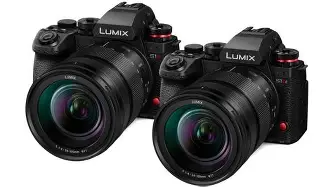
4. Test Autofocus Under Real Conditions
Autofocus systems perform differently under varied lighting and subject motion. Conduct tests in environments that mimic typical assignments: low light receptions, backlit ceremonies, fast-paced sports fields, or dimly lit interiors. Confirm that subject detection and tracking meet professional tolerance for usable frames.
5. Plan for Video Workflows
High-bitrate video requires media and compute resources. Confirm internal and external recording options, monitor compatibility, and color-grading pipelines. Consider whether internal codecs and log profiles align with post-production workflows and client expectations.
6. Storage, Backup and Redundancy
Professionals must plan media redundancy. Dual card slots support on-the-fly backup strategies, and fast write speeds reduce bottlenecks. Evaluate card types and capacities that match expected session lengths.
7. Service, Repairs and Longevity
Consider manufacturer support and repair logistics regionally. For professionals, downtime equals lost income; check service center accessibility, turnaround times, and the availability of loaner programs if relevant.
8. Budget for Accessories
Budget beyond the camera body: batteries, chargers, media cards, a solid camera bag, and appropriate lenses often make up the majority of system cost. Factor in gimbals, microphones, and monitoring equipment if video is part of the workflow.
Practical Tips for Getting the Most from the S1 II
- Use stabilized lenses in combination with IBIS for the best handheld results.
- Create camera presets for common shooting scenarios to reduce menu diving on set.
- Test log profiles and color science with the post team to establish a consistent grading starting point.
- Carry at least one spare battery and a fast card reader for quick turnovers between locations.
- Update firmware regularly and test new releases on non-critical shoots before deploying them on client work.
Conclusion
The Panasonic Lumix S1 II is clearly aimed at professionals who need a durable, versatile hybrid camera that can serve demanding stills and video roles. Its strengths — robust build, thoughtful ergonomics, effective stabilization, and comprehensive video features — make it a compelling option for hybrid shooters, documentary creators, and commercial photographers who prioritize image quality and on-set flexibility.
No camera is perfect for every assignment. Autonomy in autofocus for extreme action, the added weight of a pro-grade body, and the realities of a growing but still evolving lens ecosystem are realistic trade-offs to consider. For buyers who value cinematic video options alongside high-quality stills and who can accommodate the weight and storage demands of professional workflows, the S1 II is a serious contender that rewards practical, real-world use.