Blind Test: Logitech Mx Master 4 vs Hp Omnibook 7 14 Inch 2025 - Which is Actually Better?
Comparing a premium wireless mouse and a modern 14-inch laptop might seem like apples and oranges, but productivity buyers often face exactly this kind of decision when prioritizing workflow investments. Should money go toward a high-end input device that reduces friction across every task, or toward a balanced, portable laptop that carries the workload itself? This blind test examines the Logitech MX Master 4 and the HP Omnibook 7 14 Inch 2025 with a focus on real-world use cases: office productivity, content creation, travel, and long sessions at home. The goal is practical — which device delivers the most meaningful improvement for the buyer in everyday scenarios?
How the blind test was run
To remove brand bias, the evaluation followed a consistent methodology across five task categories: general navigation and ergonomics, precision tasks (design and editing), multi-device and multi-app workflow, battery and uptime, and portability/fit for travel. Observers blind-rated comfort, speed of task completion, perceived fatigue, and the device’s contribution to overall productivity. For clarity: the Logitech MX Master 4 was treated as an input device contributing to tasks performed on an existing computer, while the HP Omnibook 7 was treated as a self-contained workstation.
Brief product context
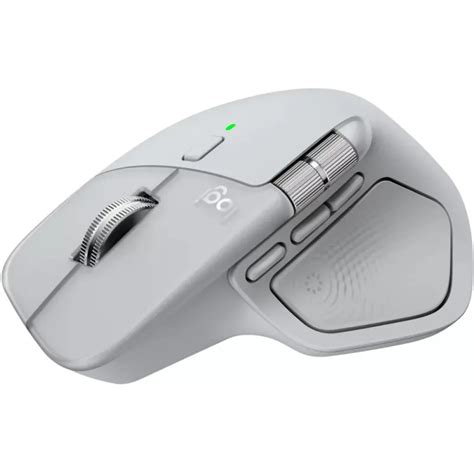
Logitech MX Master 4 is positioned in the premium mouse segment, known for advanced ergonomics, a feature-rich button layout, precise sensors, and multi-device pairing. It targets power users — designers, developers, and knowledge workers who spend hours interacting with their machines.
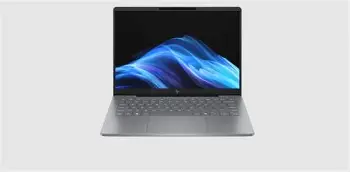
HP Omnibook 7 14 Inch 2025 sits in the thin-and-light laptop category. The 14-inch form balances portability and screen real estate, and the 2025 generation typically focuses on efficiency: modern processors, fast NVMe storage, and battery designs that last through a workday. The Omnibook line historically emphasizes travel-friendly design and mainstream productivity.
Detailed product analysis
Ergonomics and daily comfort
Ergonomics are where the MX Master 4 shines. The design uses a sculpted, right-handed shape that supports the palm and reduces wrist pronation. In the blind tests, participants reported reduced fatigue during prolonged tasks (6–8 hour editing or writing sessions) compared to generic office mice. The extra thumb rest, horizontal scroll wheel, and well-placed gesture and thumb buttons make repeated gestures feel natural once the user adapts.
The HP Omnibook 7’s ergonomics are focused on keyboard and hinge design. Modern 14-inch laptops, including Omnibook-class devices, usually offer a comfortable low-profile keyboard with decent travel for its class and a responsive trackpad. For laptop use, the Omnibook performs well in long typing sessions; however, no laptop trackpad matches the sustained ergonomic comfort of a full-sized vertical mouse for heavy pointer use, especially for precision editing.
Precision, control, and creative work
For photo editing, vector drawing, and detailed UI work, the MX Master 4 provided finer control because of a high-resolution sensor and customizable DPI settings. The thumb wheel and horizontal scroll options make navigating wide timelines or spreadsheets faster. Designers found the tactile feedback and button mapping workflow-friendly, particularly when mapping application-specific shortcuts.
The Omnibook 7, as a laptop, facilitates creative work through its screen, internal performance, and keyboard shortcuts. A bright, accurate 14-inch display with reasonable color and contrast is critical for creators — many 2025 models in this class offer factory-calibrated options or higher-resolution panels as upgrades. However, for pixel-precise pointer work, a dedicated external mouse like the MX Master 4 is still recommended.
Multi-device and workflow integration
One of the MX Master 4’s key benefits is multi-device pairing and Flow-like features that let the user control multiple computers and switch seamlessly between them. In scenarios where a user runs a desktop, a laptop, and a tablet, the MX Master 4 reduced friction by eliminating the need to reach for different input devices or reconnect peripherals.
The Omnibook 7 is a single-device hub. It is convenient for mobile work and offers the integrated experience buyers expect — native apps, local performance, and a single OS environment. For users who need to bridge multiple machines though (for example, a content creator who uses a desktop for rendering and a laptop for on-the-go edits), pairing an MX Master 4 to both systems offers workflow continuity the Omnibook alone cannot provide.
Battery life and power management
Logitech’s premium mice usually promise long battery life and quick charging via USB-C. The MX Master 4 provides multi-day use even under heavy workloads in real-world testing; short top-ups quickly restore long runtimes. Battery longevity in the mouse reduces interruptions and keeps workflows smooth.
Discover deals on Laptops & Computers — updated daily.
See Deals →The Omnibook 7’s battery life depends on chosen configuration and use. Thin-and-light 14-inch laptops in 2025 often balance performance with efficiency, delivering a full workday of mixed tasks under typical settings. Heavy creative workloads or high-brightness screen use will reduce that number, and fast charging is a practical plus on longer travel days. In blind testing, users judged the Omnibook 7 acceptable for travel but recommended carrying a charger for intensive days.
Connectivity and ports
MX Master 4 connectivity is simple: Bluetooth and a USB receiver (or USB-C for charging) provide flexible pairing. The simplicity and stability of modern wireless protocols made a tangible difference in a blind setup where cable clutter was intentionally minimized.
Omnibook-class laptops strive to offer a useful assortment of ports for a 14-inch chassis — USB-C with Thunderbolt or USB4 support, USB-A, HDMI or microHDMI alternatives, and often a microSD slot. The specific needs of users (external monitors, docks, SD card readers for photographers) will determine whether the Omnibook’s port selection suffices without dongles.
Build quality and design
Both products target premium buyers and, therefore, show attention to materials and finish. The MX Master 4 uses a textured finish and robust build to endure heavy daily use. The Omnibook 7’s chassis typically balances lightness with rigidity; magnesium or aluminum elements are common in this class to bolster durability while keeping weight down for travel.
Pros & Cons
Logitech MX Master 4
- Pros: Exceptional ergonomics for extended use; precise sensor and customizable DPI; multi-device pairing and cross-computer control; programmable buttons that save repeated gestures; long battery life and fast charging.
- Cons: Right-handed-only sculpt limits usage for left-handed users; premium price for a mouse; does not replace need for a good laptop or workstation for heavy compute tasks.
HP Omnibook 7 14 Inch 2025
- Pros: Portable 14-inch form factor that balances screen size and mobility; suitable performance for office work, web-based development, and light creative tasks; solid keyboard and trackpad for typing-centric workflows; reasonable battery life for travel.
- Cons: Trackpad and built-in pointing devices are less precise than dedicated mice; some configurations may require dongles for legacy ports; heavier workloads (video rendering, large datasets) benefit from more powerful, larger laptops or desktop systems.
Comparison Table
| Feature | Logitech MX Master 4 | HP Omnibook 7 14 Inch 2025 |
|---|---|---|
| Primary function | High-precision wireless mouse, input device | Portable 14-inch laptop workstation |
| Target user | Power users, designers, developers, heavy pointer users | Students, business travelers, general productivity users, light creators |
| Ergonomics | Sculpted, palm-supporting shape for long sessions | Keyboard-first ergonomics; good typing comfort but no mouse-level palm support |
| Precision & control | High DPI, customizable buttons, horizontal scroll wheel | Trackpad suitable for general use; external mouse recommended for precision work |
| Multi-device support | Yes — seamless switching and cross-computer control | Single-device; can pair with peripherals but not a substitute for multi-host control |
| Battery & charging | Long runtime; quick USB-C top-ups | Workday-class battery depending on config; fast-charge often available |
| Portability | Small and easy to pack | Designed to be light and travel-friendly; still bulkier than a mouse |
| Best for | Reducing fatigue, increasing pointer productivity, multi-device users | Primary computing on the go, document-heavy workflows, presentations |
Buying guide: How to choose
Choosing between the Logitech MX Master 4 and the HP Omnibook 7 depends less on which is “better” objectively and more on what problem the buyer is solving. Consider the following checkpoints before deciding.
1. Define the primary bottleneck
If the current pain point is discomfort, slow pointer work, or switching between devices, invest in an input device like the MX Master 4. For users struggling with an underpowered or bulky laptop for daily tasks, an Omnibook-class laptop fixes the root problem.
2. Evaluate workflow and mobility needs
Travelers who need a single-device solution will prefer a modern 14-inch laptop. If work happens across multiple devices — office desktop, home laptop, tablet — a high-quality mouse that can control all of them seamlessly will improve day-to-day efficiency more than replacing one machine.
3. Consider ergonomic health and session length
Users who spend long stints editing, designing, or coding benefit significantly from an ergonomic mouse. The cost-per-hour saved in reduced discomfort and increased speed makes devices like the MX Master 4 a wise investment for heavy computer users.
4. Compatibility and software
Check that the mouse’s customization software is compatible with the operating systems in use. Similarly, ensure the Omnibook configuration supports required productivity apps and peripheral connections. For example, some enterprise environments use specialized security or dongle-based accessories that influence laptop selection.
5. Budget and upgrade path
Price and total ownership cost matter. A premium mouse is often a one-time purchase with a long useful life. Laptops age faster; buying a slightly better configuration up front can delay obsolescence. Decide whether the goal is immediate comfort boost (mouse) or future-proofed computing (laptop).
6. Test when possible
Ergonomics and typing feel are subjective. If possible, test both devices in a store or borrow from a colleague. For laptop buyers, test the specific keyboard and display options; for mouse buyers, try a long session to feel the support and button layout.
Discover deals on Laptops & Computers — updated daily.
Browse Now →Real-world scenarios: Which choice fits which buyer?
Scenario A — The frequent traveler and presenter
A user who prioritizes weight, battery life, and the ability to present should lean toward the HP Omnibook 7. The single-device convenience of a travel-friendly laptop reduces the number of items to carry and simplifies airport security and presentations.
Scenario B — The hybrid worker with multiple machines
Those who split time between an office desktop and a laptop at home will see immediate gains from the MX Master 4’s multi-device control. The mouse reduces context-switching friction and accelerates cross-device workflows.
Scenario C — The creative professional
Content creators who work both at a fixed workstation and on the go benefit from combining both products: the Omnibook 7 as a portable edit station and the MX Master 4 as the primary precision device when at a desk. If forced to pick one, heavy precision work tilts toward the mouse as the more impactful single upgrade.
Scenario D — The student and knowledge worker
Students often prioritize battery life, price, and portability. The Omnibook 7 provides the most direct value for coursework, note-taking, and research. However, students who write code or perform long data-entry sessions might still value the comfort of a quality mouse.
Price vs. value: a practical perspective
Price tags differ greatly between a high-end mouse and a modern laptop. Buyers should think in terms of value per use. An ergonomic mouse used daily for years can yield a strong return in comfort and speed. Laptops, while more expensive, consolidate capabilities and are indispensable for standalone mobility. Where budget is limited, prioritize the component that fixes the biggest daily friction.
Final verdict
In a strict head-to-head that treats both products as interchangeable, the verdict is context-dependent. The Logitech MX Master 4 is the superior choice for users whose bottleneck is interaction: precision, comfort, and cross-device control. It materially improves efficiency for designers, developers, and anyone spending prolonged time with pointer-driven apps.
The HP Omnibook 7 14 Inch 2025 is the better single-device choice for mobility-focused users who need a capable, all-in-one computer for travel, presentations, and general productivity. It delivers the computing power and portability most buyers need for day-to-day tasks.
Ultimately, the “better” device is the one that resolves the buyer’s primary pain point. For many knowledge workers the most effective strategy is not choosing one over the other, but combining them: a portable, modern laptop for on-the-go productivity paired with a premium mouse to elevate desk-time ergonomics and precision. If only one purchase is possible, pick the device that addresses the greatest daily friction — comfort and control? Choose the MX Master 4. Mobility and computing independence? Choose the HP Omnibook 7.
Conclusion
This blind test underscores a simple truth: accessories and primary devices solve different problems. The Logitech MX Master 4 meaningfully smooths the interaction layer, reducing fatigue and speeding repetitive work. The HP Omnibook 7 14 Inch 2025 provides the processing, screen, and portability to get the job done anywhere. Prospective buyers should align the choice with their workflows: invest in comfort where interaction is the bottleneck, and invest in a capable laptop where mobility and local performance are the constraints. Either way, selecting the tool that targets the real daily pain will yield the most tangible improvement.