Head-to-Head: Dji Neo 2 vs Kodak Ektar H35N (Detailed Comparison)
Introduction
Choosing between a modern digital camera and a film-based alternative is often less about "which one is better" and more about "which one fits the user's needs, workflow, and creative priorities." This comparison looks at two very different offerings: the Dji Neo 2, a contemporary compact digital camera built around convenience, stabilization, and instant sharing; and the Kodak Ektar H35N, a film camera aimed at photographers who value the tactile process, the aesthetic of film grain and color rendition, and the slower, more deliberate shooting experience.
Readers will find an objective breakdown of design intent, real-world performance, cost-of-ownership concerns, and the kinds of photographers each camera serves best. The goal is to help buyers understand trade-offs so they can pick the right tool for their creative workflow.
Product Overviews
Dji Neo 2 — What it is and who it targets
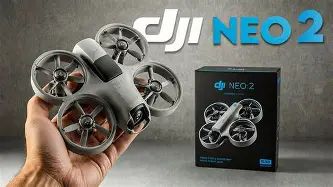
The Dji Neo 2 presents itself as a compact, digitally focused camera that prioritizes stabilized handheld shooting, quick capture, and an integrated software ecosystem for editing and sharing. It is aimed at content creators, travel photographers, and everyday users who want a capable pocket camera that reduces friction between capture and publication.
Design priorities for cameras in this class typically include: strong in-body or lens stabilization, user-friendly controls, reliable autofocus, and a software-first approach that streamlines video and still workflows. As a result, the Neo 2 is best appreciated by people who value speed, flexibility, and a finished-file mindset: record, edit, upload.
Kodak Ektar H35N — What it is and who it targets
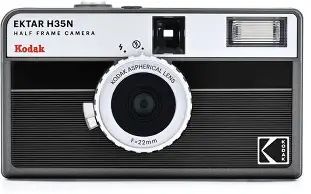
The Kodak Ektar H35N is positioned as a straightforward 35mm film camera that carries the Kodak Ektar name — a marker of Kodak's heritage in color science and film aesthetics. It is designed for photographers who enjoy the physicality of shooting on film, the unpredictability and warmth of chemical processes, and the slower creative decisions that film demands.
Buyers for the Ektar H35N tend to be hobbyists, analog enthusiasts, and photographers who prioritize look and process over instant results. Since film introduces ongoing costs and a different workflow (scanning, development, or lab pickup), the H35N appeals to those who consider the entire film experience part of the craft.
Detailed Product Analysis
Handling and ergonomics
Dji Neo 2: Digital cameras like the Neo 2 are engineered for ergonomics that favor one-handed use, touchscreen menus, and rapid access to common settings (exposure comp, ISO, autofocus modes). Their bodies often include textured grips, customizable buttons, and menus optimized for photographers who toggle between stills and video. For prolonged handheld shooting, stabilization and weight balance are important; the Neo 2's design choices aim to reduce fatigue during long takes and to keep menus intuitive for beginners and experienced users alike.
Kodak Ektar H35N: Film cameras tend to emphasize mechanical simplicity and tactile feedback. The Ektar H35N's controls — film advance, shutter release, aperture ring or selectable aperture settings — give direct, immediate control over the image-making process. The weight is typically light, and the mechanical noises, film wind, and deliberate cadence of shooting are part of the appeal. For photographers who enjoy manual interaction and visible feedback from the camera, the H35N will feel satisfying.
Image and video capabilities
Dji Neo 2: Digital cameras offer consistent output in many lighting conditions, adjustable ISO for low light, and modern noise reduction algorithms. For video, the Neo 2's stabilization and autofocus make it suited to run-and-gun shooting, vlogging, and social media clips. The immediacy of digital means files are available for instant review, editing, and uploading.
Kodak Ektar H35N: Film delivers an aesthetic that is difficult to replicate exactly in digital: distinct grain structure, film-specific color rendition, and highlight roll-off. The H35N produces stills that require development and optionally scanning; this delay is part of the charm for many users. There is no native video capability; the creative output is photographic stills with character determined by film stock and processing.
Shop the latest Cameras & Photography picks on Amazon.
Shop Amazon →Workflow and post-production
Dji Neo 2: The Neo 2 supports immediate file transfer to computers or mobile devices, often with companion apps that provide in-camera or in-app editing. This makes a streamlined social-media pipeline possible — shoot, color-correct, crop, and publish within minutes.
Kodak Ektar H35N: Film requires steps unfamiliar to digital-first buyers: purchasing film rolls, loading the camera, completing the exposure, and then choosing development options (home development vs lab). Scanning for digital use adds another step and cost. However, many film users relish the slower cadence and find the added steps produce more intentional images.
Durability, maintenance and long-term cost
Dji Neo 2: Digital devices are subject to battery degradation, occasional firmware updates, and electronic failures. Repairs can be expensive depending on the part. There are no consumable capture materials, but early model obsolescence is a consideration for buyers focused on long-term value.
Kodak Ektar H35N: Film cameras can be simple and rugged; many classic designs function decades after manufacture. The long-term costs include recurring purchases of film and development. Mechanical failures are often repairable by specialized technicians, but parts availability can vary. For photographers who shoot frequently, film costs accumulate and should be factored into regular shooting budgets.
Pros & Cons
Dji Neo 2 — Pros & Cons
- Pros: Stabilized shooting for smooth video and steady stills
- Pros: Instant review and fast digital workflow for editing and sharing
- Pros: Auto modes and autofocus that lower the learning barrier
- Cons: Electronic complexity can mean higher repair costs and potential obsolescence
- Cons: Less tactile feel and unique character compared with film
- Cons: Battery dependence — shooting is limited by battery life
Kodak Ektar H35N — Pros & Cons
- Pros: Distinct film look and colors prized by analog enthusiasts
- Pros: Simple mechanical operation fosters deliberate shooting
- Pros: No reliance on firmware updates or battery for basic function (depending on model)
- Cons: Ongoing costs for film and development
- Cons: Slower workflow — no instant review and additional time before images are usable digitally
- Cons: Less flexible exposure latitude compared with modern digital sensors in very low light situations
Side-by-side Comparison
| Category | Dji Neo 2 | Kodak Ektar H35N |
|---|---|---|
| Format | Digital compact — stills and video | 35mm film stills |
| Primary strength | Stabilization and instant digital workflow | Film aesthetic, tactile shooting experience |
| Ideal users | Content creators, travelers, vloggers, digital-first photographers | Analog enthusiasts, hobbyists, photographers seeking film texture |
| Image medium | Digital files (JPEG/RAW) | Negative film (requires development/scanning) |
| Cost of operation | One-time purchase; occasional accessories and storage | Recurring costs for film and development; scanning adds cost/time |
| Workflow speed | Fast — immediate review and edit | Slow — wait for development and scanning |
| Learning curve | Low to moderate (auto modes available) | Moderate — requires understanding film exposure and handling |
| Durability | Dependent on electronics and battery health | Often mechanically simple and long-lived |
| Sharing | Immediate via smartphone and social apps | Delayed — requires scanning or lab services |
Real-world Use Cases
Travel and everyday documentation
For travelers who want to archive moments efficiently, the Dji Neo 2 is generally the better fit. Its stabilization and instant-review capabilities reduce the risk of missing decisive moments and make it simple to post-process images on the go. Battery planning remains essential for long excursions.
The Kodak Ektar H35N offers a different travel experience: a slower, more contemplative approach. Film can enhance vacation photography when the goal is to collect images with a distinctive character. However, the time and cost associated with film processing make it less convenient for travelers who want immediate deliverables.
Street and documentary photography
Street photographers who require speed, adaptability to changing light, and high frame capacity will appreciate the Neo 2's instant feedback and higher throughput. Conversely, photographers seeking to slow down their approach and emphasize composition and atmosphere may prefer shooting the H35N — the limitations of film can encourage more deliberate, meaningful frames.
Creative projects and commercial use
For commercial assignments where deadlines and deliverables matter, digital cameras like the Neo 2 are more practical. File consistency, ability to reshoot, and immediate client review are advantages. Film can be used for commissioned work when a client specifically wants that filmic look, but logistics (turnaround time, scanning quality) must be planned in advance.
Buying Guide: How to choose between Dji Neo 2 and Kodak Ektar H35N
1. Define the intended output and workflow
If the end goal is rapid delivery to digital platforms, social media, or editorial use, prioritize the digital option. If the goal is to create prints with a distinct film look or to enjoy the craft of analog photography, prioritize the film camera.
Find top-rated Cameras & Photography products at great prices.
Shop Amazon →2. Consider total cost of ownership
Digital cameras have higher upfront costs but lower per-shot costs. Film cameras are often cheaper to acquire initially (especially used models), but recurring costs for film and development will add up. Buyers should estimate their typical monthly or yearly shooting volume to compare long-term expense.
3. Evaluate learning tolerance and desired control
Beginners who want to learn photography without the complexity of film are likely better served by the Neo 2. Those who want to deepen their understanding of exposure, metering, and manual techniques often find learning on film rewarding and effective.
4. Think about the shooting environment
Low-light performance and the need for many continuous frames favor digital. If the shooting environment benefits from deliberate pacing — portraiture sessions where film grain and color play a part — film becomes an asset.
5. Accessories and ecosystem
Digital systems benefit from batteries, memory cards, gimbals, and software updates; consider the accessory ecosystem and whether the camera fits existing gear. For film, investigate film stock availability, local labs for development and scanning, and whether the buyer is comfortable learning basic darkroom or scanning processes.
6. Resale and longevity
Digital gear can depreciate as new models arrive. Film cameras often retain value, particularly models with heritage or solid mechanical build quality. Buyers who plan to resell should research market demand for each model.
Practical tips before committing
- Try before you buy: Rent or borrow each type of camera for a weekend. Experience the workflows to judge which one fits daily habits.
- Budget for consumables: If choosing film, set aside funds for processing and scanning. If choosing digital, invest in backup storage and spare batteries.
- Research local services: Confirm the availability and turnaround time of film labs and scanning services in your area.
- Learn the basics: Take a short course or watch tutorials focused specifically on film handling or beginner digital photography, depending on the choice.
Conclusion
Both the Dji Neo 2 and the Kodak Ektar H35N have clear, divergent strengths. The Neo 2 serves those who prioritize speed, stabilization, and a streamlined digital pipeline — ideal for modern content creators and travelers who require immediacy. The Ektar H35N rewards patience, intentional shooting, and those who cherish the aesthetic and ritual of film. Neither camera is objectively "better" across all categories; instead, each excels in contexts aligned with its design philosophy.
Buyers should weigh workflow, ongoing costs, and the emotional experience of shooting. For someone who wants to share polished content quickly, the digital camera will deliver more reliably. For someone who wants a slower, more tactile creative practice and distinctive film character in their images, the Kodak Ektar H35N is a compelling choice. The right decision is the one that supports the photographer's goals, budget, and the kinds of images they most want to make.