The Ultimate Setup Guide for Your Workforce Wf 2950
The Workforce Wf 2950 is a compact all-in-one solution aimed at home offices and small businesses that need printing, scanning, copying, and basic document handling in a single device. This guide walks through everything a new owner needs to know: what the unit typically offers, how to set it up step-by-step, real-world use cases, troubleshooting tips, and buying considerations buyers commonly weigh. The tone is practical and editorial — focused on helping people get the most out of their Workforce Wf 2950 from day one.
Introduction: Who the Workforce Wf 2950 is for
The Workforce Wf 2950 usually targets users who require a versatile, space-efficient printer without the footprint or cost of larger office machines. Typical buyers include:
- Remote workers who need reliable document printing and occasional color outputs.
- Small business owners printing invoices, forms, and marketing flyers in low-to-moderate volumes.
- Students and families who want a multifunction device for homework, scanning records, and occasional photos.
- Administrators managing receipts and records, where a built-in scanner and copy functionality save time.
What buyers commonly care about are print quality for text, cost of consumables (ink), connectivity options, footprint on a desk, and ease of use for scanning and mobile printing. This guide addresses each of these concerns and explains the setup and daily operation in plain language.
Product overview and detailed analysis
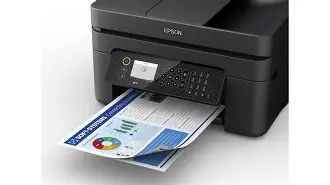
At its core, the Workforce Wf 2950 is an all-in-one inkjet device designed to balance features and price. While configurations can differ by region and retailer, the model generally emphasizes:
- Multifunction capability: printing, scanning, copying and sometimes faxing (region-dependent).
- Compact footprint: a smaller chassis suited to closets, small desks, or shared counters.
- Wireless connectivity: Wi‑Fi and often Wi‑Fi Direct or mobile printing compatibility.
- Automatic duplex printing: often supported to save paper on two-sided documents.
- Color printing: adequate for marketing collateral, draft graphics, and photos at moderate quality.
Real-world performance considerations:
- Text printing quality for everyday documents is usually reliable and crisp — suitable for invoices, letters, and class assignments.
- Color output can be vibrant but may not match dedicated photo printers; for occasional marketing flyers or family photos it is sufficient.
- Speed is fine for low-to-moderate workloads; high-volume printing will reveal the limits of inkjet duty cycles and slower sheet feeding compared with laser alternatives.
- Ink cost per page is a common pain point for inkjet owners: the initial device price is attractive, but replacement cartridges drive lifetime cost.
Design and build
The Workforce Wf 2950 generally prioritizes a small footprint with accessible physical controls. Expect a modest control panel with a small display and buttons for common tasks, and reachable ink cartridge doors. The paper tray typically accepts everyday sizes and has a capacity aimed at home or small-office use rather than large batch jobs.
Connectivity and software
Wireless setup (Wi‑Fi) and mobile printing support are expected. The device often supports printing from smartphones and tablets via manufacturer apps and common standards like AirPrint or Mopria (check local specifications). Desktop driver packages are available for major operating systems; installing official drivers helps unlock scanning utilities and advanced settings.
Step-by-step setup guide
This section describes a practical setup process. Before starting, set aside 20–45 minutes and an internet-connected computer or smartphone if you plan to use Wi‑Fi or mobile printing.
1. Unboxing and physical placement
- Unpack carefully, removing all transit tapes, protective foam, and cardboard from paper input/output paths and the scanner bed.
- Choose a stable surface near a power outlet and within your Wi‑Fi router range. Avoid cramped spots that block ventilation or access to cartridge doors.
- Leave room to open the scanner lid and the paper tray fully; allow 4–6 inches of clearance at the back for cables and air circulation.
2. Install ink cartridges and load paper
- Open the cartridge access door and gently install each cartridge into its color-coded slot. Press until it clicks into place.
- Load plain paper into the input tray and adjust the guides so the paper sits snug but not tightly. For best results, use a small stack (10–20 sheets) for the first tests.
3. Power on and initial alignment
- Turn the device on and follow on-screen prompts for language, date/time, and initial alignment. Alignment calibrates the printheads and usually prints a test page — keep this page until alignment completes successfully.
4. Connect to network
- Wi‑Fi: Use the printer’s control panel to find the home network and enter the Wi‑Fi password. If the model supports WPS, the router’s WPS button can connect devices with two quick presses.
- USB: For direct wired connections, plug the USB cable to the computer and install drivers as prompted.
- Mobile printing: Enable Wi‑Fi Direct or mobile printing modes if connecting from a phone without network access.
5. Install drivers and software
- On a computer, install the manufacturer’s driver package to enable full functionality (scanner utilities, duplex settings, maintenance tools). Use the setup assistant included on the device or available for download from the manufacturer’s support site; if internet access is unavailable, some models include a CD or allow basic printing via generic drivers.
- On mobile devices, install the manufacturer app or use AirPrint/Mopria for basic printing without vendor apps.
6. Test prints, scans, and copies
- Run a test print to confirm network and driver installation. Check for streaks, gaps, or misalignment.
- Scan a document to your computer or email to confirm scanning drivers and destination folders are set.
- Make a color and a black-and-white copy to verify copy settings and speed.
Troubleshooting common setup issues
Connectivity problems
If the printer won’t join Wi‑Fi, try moving it closer to the router, restart both devices, and verify the network password. Disable guest or captive portals during setup. For persistent issues, connect via USB and run the network setup utility from the desktop software.
Poor print quality
Run an automatic nozzle check and head cleaning from maintenance tools in the software or control panel. If streaks persist, perform a head alignment. Use genuine cartridges if possible; third-party inks can cause inconsistent results and clogs.
Looking for the best Electronics deals on Amazon?
See Deals →Paper jams and feeding errors
Open the access panels and gently remove stuck sheets, following manufacturer guidance to avoid tearing paper. Ensure guides are aligned and paper is not wrinkled or too heavy for the tray. Clean feed rollers every few months if the printer is in heavy use.
Scanner problems
If scans are incorrectly sized or skewed, ensure the original is square on the scanner bed and that the scanner glass is clean. Update or reinstall scanning utilities if computer software reports the scanner as unavailable.
Pros & Cons
- Pros
- Compact, space-friendly design that fits small desks and home offices.
- All-in-one functionality reduces the need for multiple devices.
- Wireless and mobile printing options for flexible workflows.
- Good text quality suitable for professional documents.
- Cons
- Ink cost per page can be higher than laser alternatives for heavy monochrome workloads.
- Not designed for high-volume printing; duty cycle limits increase maintenance and consumable costs under heavy use.
- Color photo quality is acceptable but not on par with dedicated photo printers.
- Small paper tray capacity may require frequent refills in busy environments.
Comparison table: Workforce Wf 2950 vs. typical alternatives
| Feature | Workforce Wf 2950 (typical) | Compact Inkjet AIO (typical) | Small Office Laser (typical) |
|---|---|---|---|
| Primary strength | Versatile all-in-one for home/small office | Lower entry cost, compact footprint | Faster monochrome printing, lower per-page cost for black |
| Print quality (text) | Very good | Good | Excellent |
| Print quality (color/photo) | Good for casual use | Variable; some models aim for photos | Limited (not ideal for photos) |
| Running cost (ink/toner) | Moderate to high for heavy use | High if using standard cartridges | Lower per-page for monochrome |
| Speed | Moderate | Moderate | Fast for black documents |
| Scanner/ADF | Included (range varies) | Often included | Often included with MFP models |
| Best use case | Home office, mixed document types | Light home use, students | Small offices with high black print volumes |
Buying guide: What to check before purchase
When evaluating a Workforce Wf 2950 (or any comparable all-in-one), buyers should consider these factors that affect long-term satisfaction and total cost of ownership:
1. Expected monthly volume
Estimate pages per month. If monthly volume exceeds a few hundred pages, consider whether a small office laser or a high-yield ink solution may be more economical. Inkjets excel at moderate mixed printing, while lasers handle heavy monochrome workloads more cheaply.
2. Cost and availability of consumables
Check local cartridge prices and whether high-capacity or XL cartridges are available. Some users prefer subscription ink plans that reduce cost unpredictability; verify the model’s eligibility for such programs in the buyer’s region.
3. Connectivity needs
Confirm support for Wi‑Fi, Ethernet, or direct USB as needed. If multiple users will print from mobile devices, ensure the printer supports AirPrint, Mopria, or a reliable vendor mobile app.
4. Scanner features
For frequent scanning, look for an Automatic Document Feeder (ADF) and duplex scanning if scanning multi-page originals is common. Optical resolution and software OCR capabilities matter if scanned documents require searchable text.
5. Footprint and noise
Measure the intended location and compare it with the device’s physical dimensions. If noise is a concern (shared bedrooms, study spaces), look for quieter models or reviews highlighting operational sound levels.
6. Warranty and support
Check the length and terms of the warranty and the manufacturer’s support options. Extended coverage or business-class support may be worth considering for work-critical environments.
Looking for the best Electronics deals on Amazon?
View Offers →7. Operating system compatibility
Ensure driver support for current operating systems. If the workplace uses Linux or older OS versions, verify compatibility or confirm that basic printing will work with standard drivers.
Real-world use cases and tips
Here are practical scenarios illustrating how the Workforce Wf 2950 typically performs — and tips to maximize value:
Home office and freelancing
For freelancers who print invoices, contracts, and presentation handouts, the device provides reliable text quality and scanning for receipts. Tip: keep one spare black cartridge on hand if document printing is time-sensitive.
Small retail or service businesses
Small shops printing price lists, coupons, or promotional flyers will appreciate color capability. Tip: use the highest-yield cartridges available and configure draft mode for internal documents to cut costs.
Student and family use
Students and families benefit from a multifunction device for homework, photos, and administrative documents. Tip: set up networked scanning to shared cloud storage for easy access to scanned assignments.
Remote work and hybrid teams
For hybrid teams, the printer can live at home but still serve remote needs via secure mobile printing. Tip: enable guest network limitations and secure admin menus to avoid unauthorized access.
Maintenance and long-term care
Good maintenance habits keep inkjets like the Workforce Wf 2950 operating reliably:
- Run the nozzle check monthly if the printer is idle for long periods to avoid clogs.
- Use genuine cartridges when possible to reduce head-clog risks and warranty issues.
- Clean the scanner glass with lint-free cloths and mild glass cleaner applied to the cloth, not the glass directly.
- Keep firmware updated via official updates to address performance or security fixes.
Conclusion
The Workforce Wf 2950 is a pragmatic choice for buyers who want an accessible, compact multifunction printer that handles everyday printing, scanning, and copying needs. It is well-suited to home offices, students, and small businesses with moderate print volumes. The most important considerations are running costs for ink, expected monthly volume, and connectivity needs. With careful setup, regular maintenance, and attention to consumables, the Workforce Wf 2950 can be a dependable, economical center of a small document workflow.